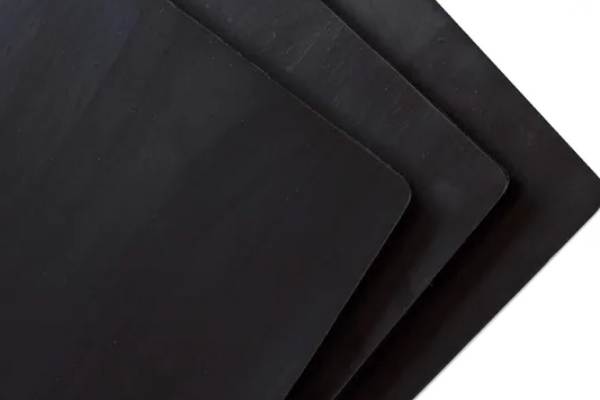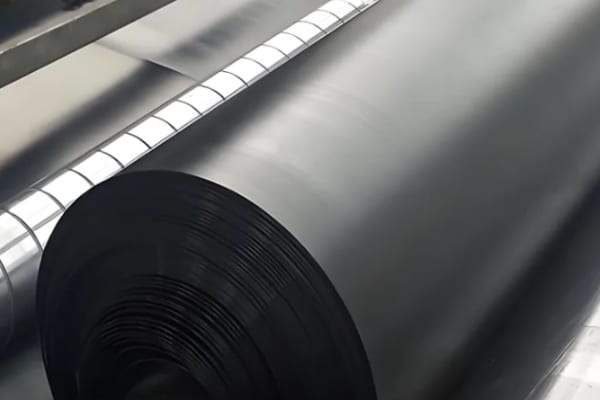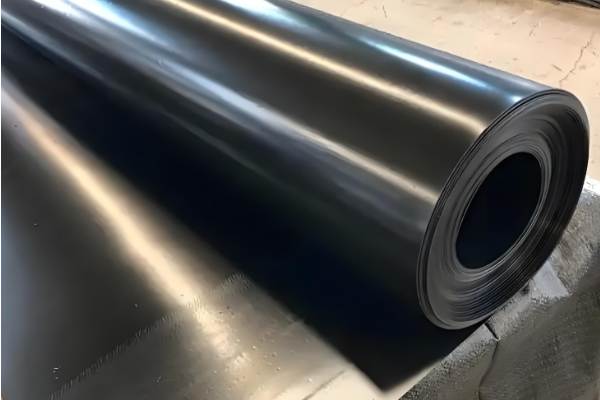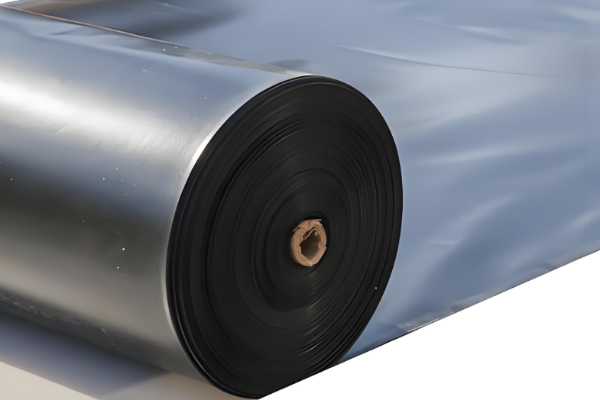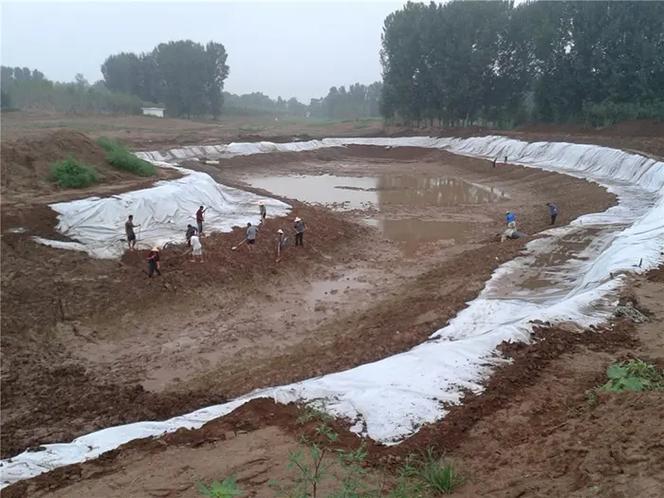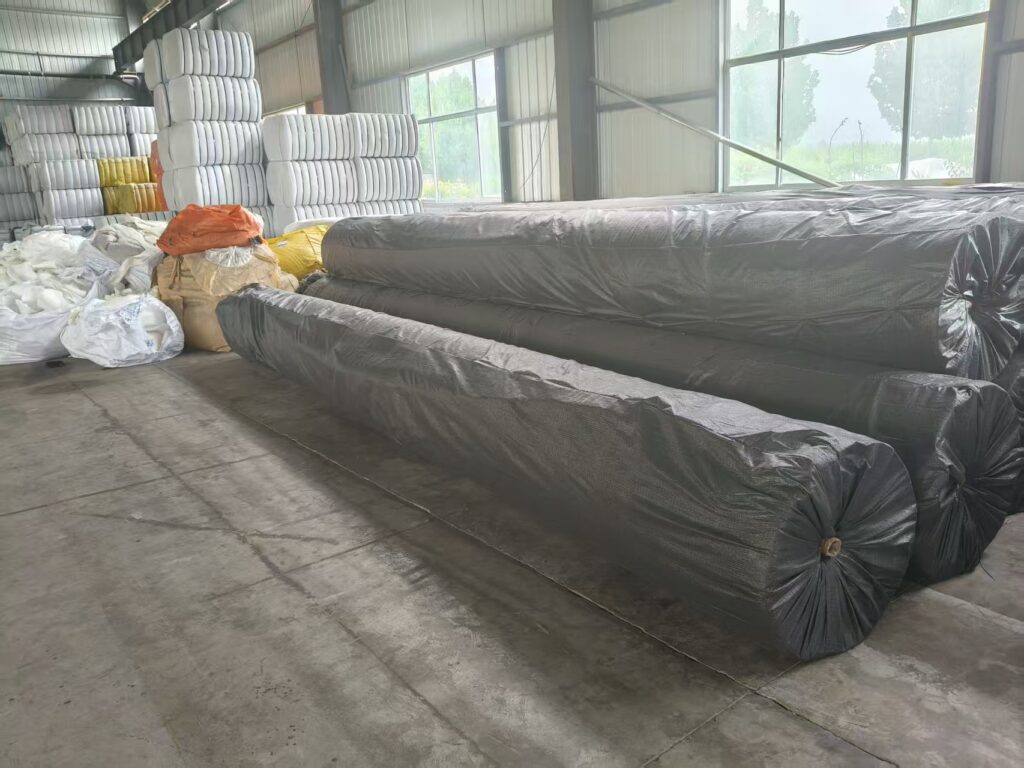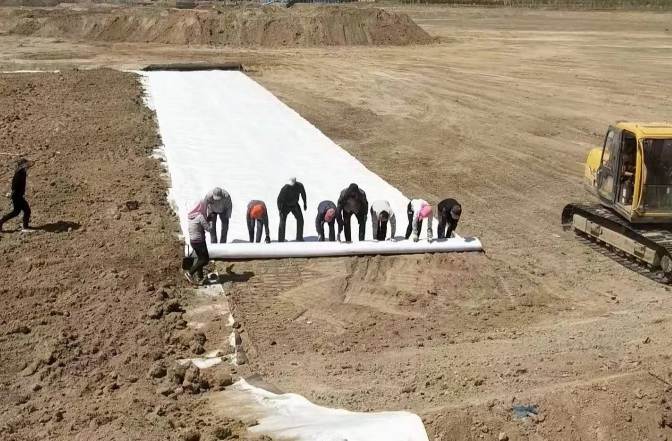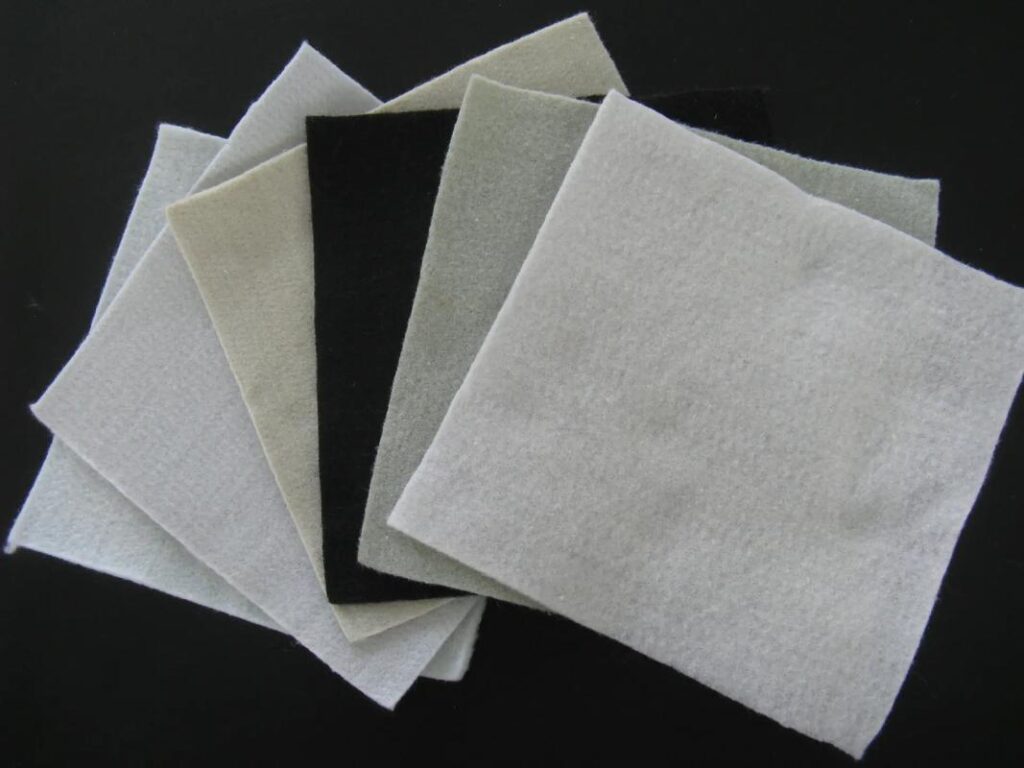
Geomembranes are indispensable synthetic barrier materials widely used in civil, environmental, hydraulic and industrial projects. Featuring outstanding impermeability, separation performance and chemical resistance, they serve as core materials for project anti-seepage, pollution containment and structural stabilization.
What is a Geomembrane?
A geomembrane is a geosynthetic material specially engineered to block the penetration of water, liquids or gases. It is a sheet-like membrane manufactured from polymer materials such as High-Density Polyethylene (HDPE), Low-Density Polyethylene (LDPE), and Polyvinyl Chloride (PVC).
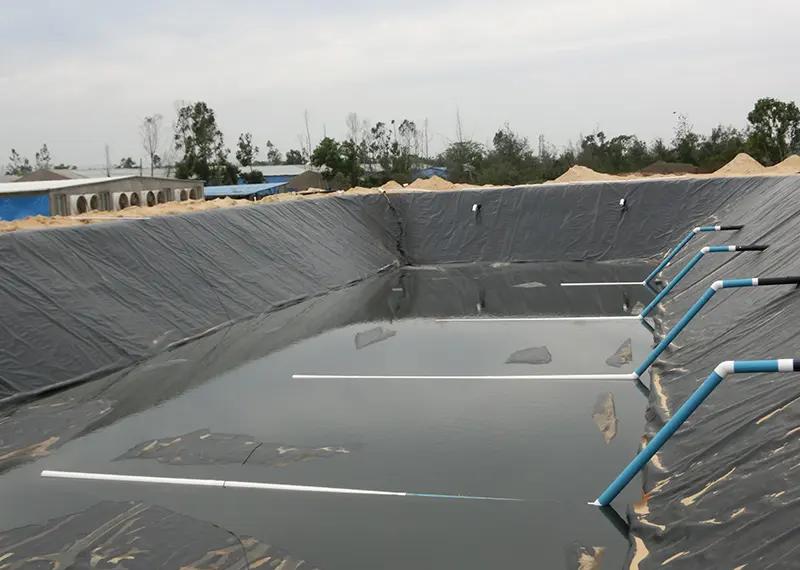
What is it used for?
Geomembranes are mainly applied in the following sectors:
- Hydraulic Engineering: Used as lining for reservoirs, river channels, dams and ponds to prevent water leakage and soil erosion.
- Landfill Sites: Installed at the base and side slopes of landfills to stop leachate from seeping into groundwater and protect underground water resources.
- Chemical Engineering: Applied as anti-seepage liners for chemical plants, storage tanks and oil depots to avoid chemical leakage and soil contamination.
- Mining Engineering: Deployed in tailings ponds, stockpiles and acidic slag areas to prevent hazardous substances from infiltrating soil and groundwater.
Geomembrane Types
1. High-Density Polyethylene (HDPE) Geomembrane
HDPE geomembrane is one of the most widely used geomembrane products. It boasts excellent anti-aging performance, chemical resistance, resistance to environmental stress cracking and reliable hot-weldability. It is extensively adopted in landfills, wastewater tanks, reservoirs, dykes and other projects.
Advantages:
(1) Superior chemical stability with resistance to acids and alkalis;
(2) High mechanical strength, strong tensile and tear resistance;
(3) Great adaptability for use under varied temperature and humidity conditions;
(4) Excellent welding performance for easy field installation.
2. Polyvinyl Chloride (PVC) Geomembrane
PVC geomembrane delivers high tensile strength and tear resistance, together with good corrosion resistance. It is suitable for sewage treatment and industrial wastewater projects.
Advantages:
(1) Stable chemical property and acid-alkali resistance;
(2) High mechanical strength with strong tensile and tear resistance;
(3) Good weathering performance for long-term outdoor service;
(4) Convenient installation via hot welding or adhesive bonding.
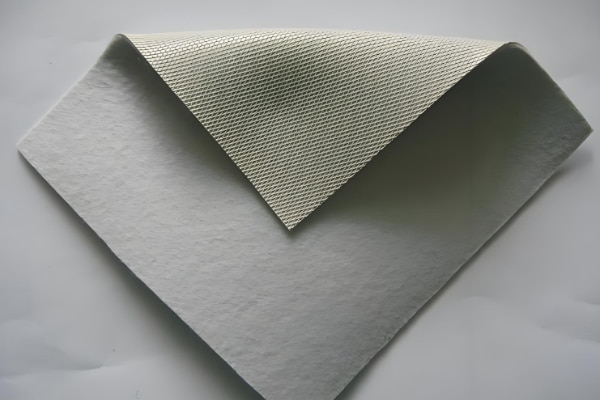
3. Composite Geomembrane
A composite geomembrane is formed by combining two or more types of materials. It integrates the strengths of individual materials to achieve enhanced overall performance. It is widely used in hydraulic and environmental protection works.
Advantages:
(1) Comprehensive performance to meet diverse engineering requirements;
(2) Strong anti-aging property and long service life;
(3) Simple installation, adaptable to complex terrain and construction conditions;
(4) Eco-friendly and recyclable.
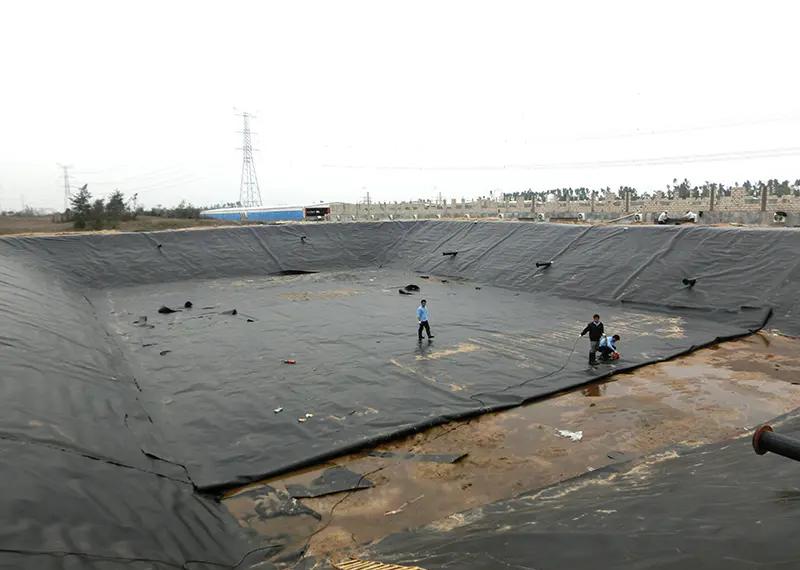
Properties of Geomembranes
- High Impermeability: Geomembranes feature exceptional barrier capacity to effectively block the permeation of water, liquids and gases.
- Corrosion Resistance: They are resistant to a wide range of chemicals and can maintain stable performance over decades in harsh environments.
- Anti-Aging Performance: Geomembranes resist degradation triggered by ultraviolet radiation and oxidation, enabling long-term outdoor operation.
- Easy Installation: Flexible and bendable, geomembranes fit irregular shapes and complex site terrain with straightforward construction.
Frequently Asked Questions
1. What is the core function of a geomembrane?
The geomembrane acts as an artificial impermeable barrier. Its dense polymer structure restricts the infiltration and diffusion of water, pollutants and gas. It also protects engineering structures and stabilizes soil conditions. Its core value lies in addressing three major challenges: project seepage, soil and water contamination, and structural damage.
2. What is the difference between a geomembrane and geotextile?
Geomembranes and geotextiles are geosynthetics with completely different functions. Geomembranes focus on anti-seepage, separation and water blocking; their dense structure is impermeable to water and gas for waterproofing and pollution containment. Geotextiles are porous and permeable materials designed for filtration, reinforcement and protection without anti-seepage capability. The two materials are often used together in projects to create an integrated system combining seepage control, filtration and protection.
3. Are geomembranes durable for waterproofing? What is their service life?
Qualified geomembranes provide stable and reliable waterproof performance. Under conventional underground and aquatic working conditions, HDPE geomembranes can last more than 50 years. Even in harsh environments such as open-air sites, mines and chemical facilities, they can remain functional for 20 to 30 years, with outstanding resistance to aging, corrosion and deformation to satisfy long-term engineering requirements.
Summary
As a core material for modern anti-seepage projects, geomembranes feature an extremely low permeability coefficient, good flexibility and chemical stability. They are widely applied in environmental protection, hydraulic, municipal and transportation industries. Understanding their seepage control mechanism, selecting proper grades, implementing standard installation and conducting strict inspection are essential to guarantee the long-term barrier performance of geomembranes.
References
- Standard for Pollution Control on the Landfill Site of Municipal Solid Waste (GB 16889-2008)
- Technical Code for Anti-seepage System Engineering of Municipal Solid Waste Sanitary Landfill (CJJ 113-2007)