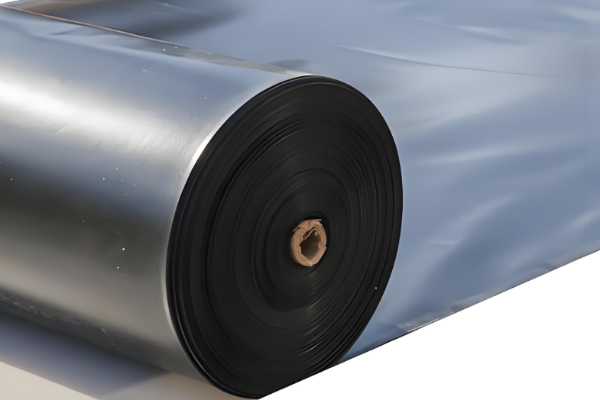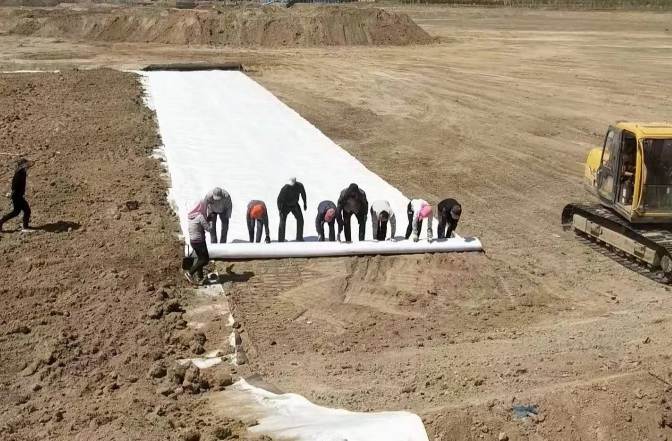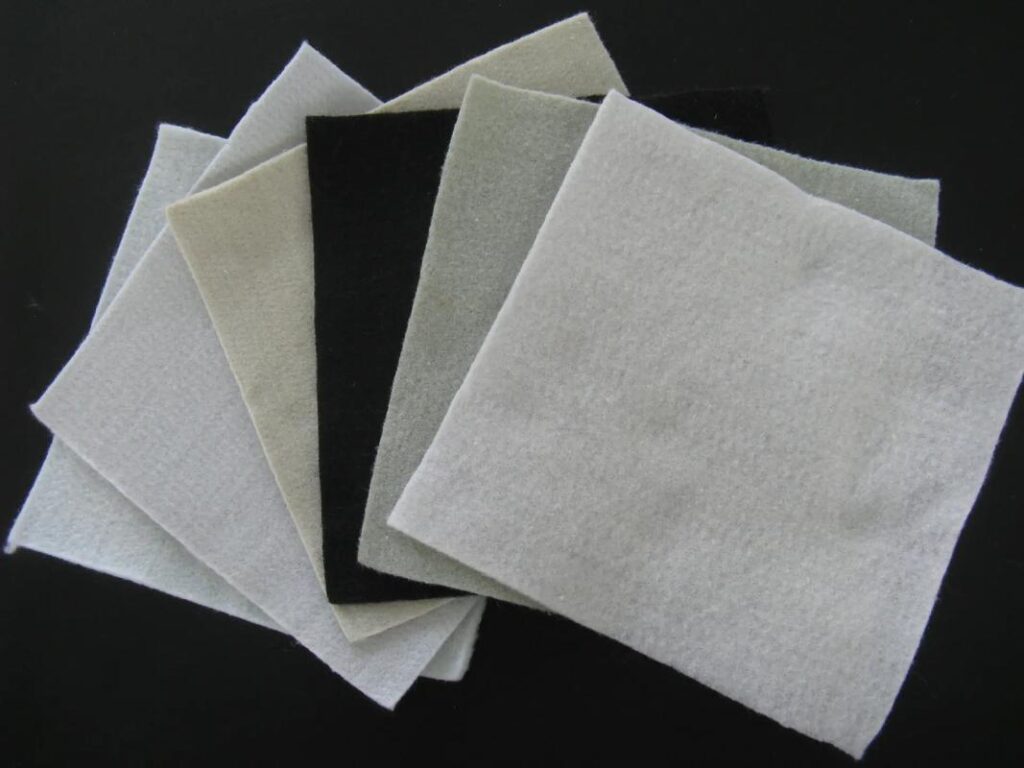
Non-woven geotextile is one of the most widely used core geosynthetic materials in infrastructure projects such as geotechnical engineering, road transportation, water conservancy & environmental protection, and slope protection for landscaping. Featuring excellent water permeability, filtration, soil-stone separation and soil stabilization performance, alongside cost-effectiveness and easy installation, it is extensively applied for foundation reinforcement, drainage, anti-seepage and anti-scour protection in various civil works.
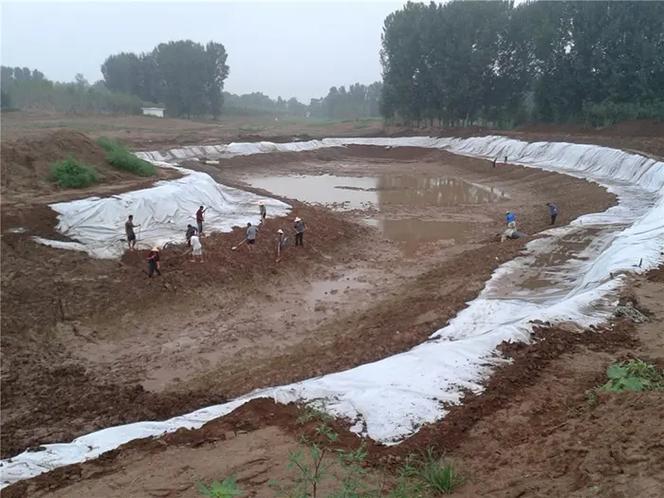
1. Definition of Non-Woven Geotextile
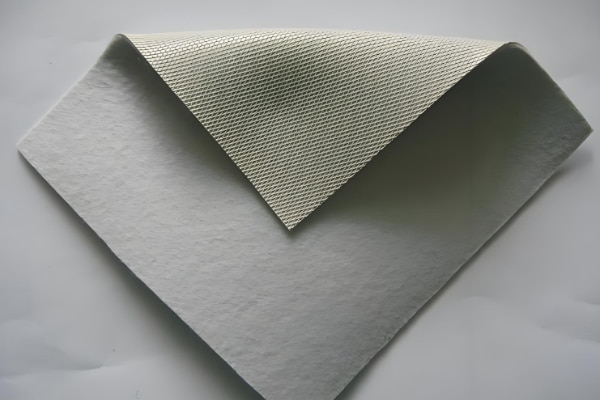
Non-woven fabric, also known as nonwoven, is a sheet material formed by laying fibers into a web and bonding them through needle punching, hydroentanglement, thermal bonding or chemical bonding, without traditional weaving processes.
Compared with conventional woven textiles, nonwovens have a simpler production flow, higher efficiency and lower cost, and are more eco-friendly.
Meanwhile, nonwovens possess properties including air permeability, softness and light weight, demonstrating strong practical value in a growing range of industrial and consumer sectors.
2. Core Properties of Non-Woven Geotextile
- High tensile strength: Thanks to its special fibrous structure and manufacturing process, non-woven geotextile delivers high strength and tensile performance to withstand substantial loads and tension.
- Corrosion resistance: Manufactured from corrosion-resistant fiber materials, it maintains long-term stability in harsh environments with acid, alkali or saltwater exposure and features outstanding durability.
- Water permeability: Its porous structure allows water to pass through freely, facilitating effective drainage and mitigating soil erosion.
- Filtration capacity: It efficiently traps soil particles and impurities to prevent them from entering drainage systems or damaging engineering structures.
- Separation function: It separates materials of different particle sizes to avoid intermixing and infiltration, so as to preserve soil stability.
- Customizability: It can be customized to suit project requirements, with tailored materials and specifications for different environments and engineering demands.
3. Application Scenarios of Non-Woven Geotextile
- Water conservancy projects: Used as filter layers and drainage channels for dams to stop soil particle loss.
- Road projects: Laid between subgrade and base courses for separation and soil reinforcement.
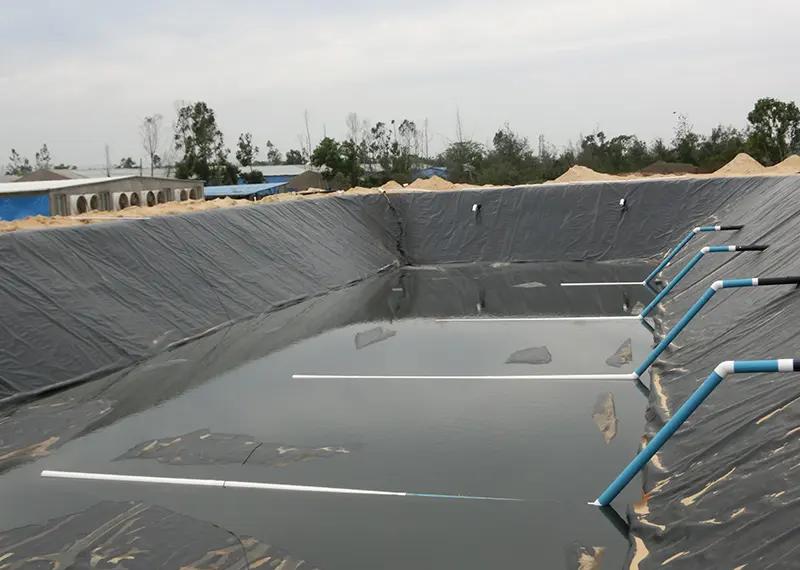
- Environmental protection projects: Frequently paired with geomembranes to protect geomembranes from puncture and serve as drainage layers to accelerate soil consolidation.
Besides, non-woven geotextile is a common geosynthetic material for railway tunnels, landfills, tailings ponds and other projects.
4. Differences Between Non-Woven Geotextile and Woven Geotextile
- Manufacturing process: Non-woven geotextile is formed by direct fiber entanglement and bonding with no warp-weft weaving. Woven geotextile is produced by interlacing warp and weft yarns, featuring a regular and dense structure.
- Core performance: Non-woven geotextile boasts superior water permeability, filtration, flexibility and corrosion resistance. Woven geotextile has higher tensile strength and structural rigidity with better reinforcement and anti-deformation capacity.
- Cost: At equivalent specifications, non-woven geotextile has a simpler production process and higher cost performance. Woven geotextile involves complex processing and comes at a relatively higher price.
- Application scenarios: Non-woven geotextile is designed mainly for filtration, drainage, separation and protection. Woven geotextile is preferred for high-load subgrade reinforcement, steep slope reinforcement and projects requiring high tensile resistance.
Material Selection Guide: Choose non-woven geotextile for ordinary drainage, anti-seepage, slope protection and separation works. Select woven geotextile for projects requiring high-strength reinforcement, tensile resistance and heavy-load stabilization to avoid structural deformation and rupture.
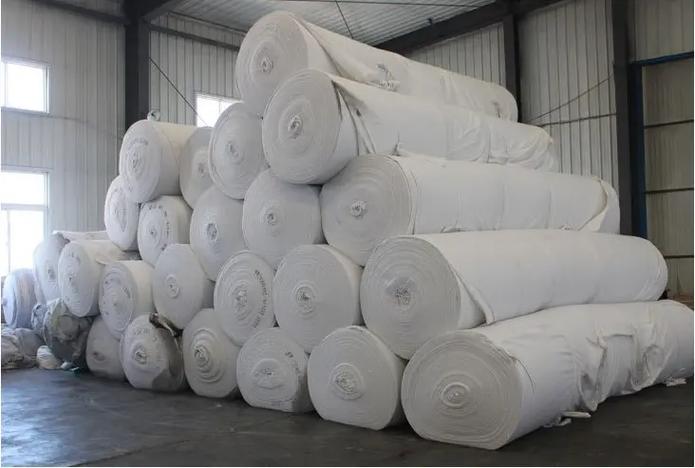
5. Specification Parameters of Non-Woven Geotextile
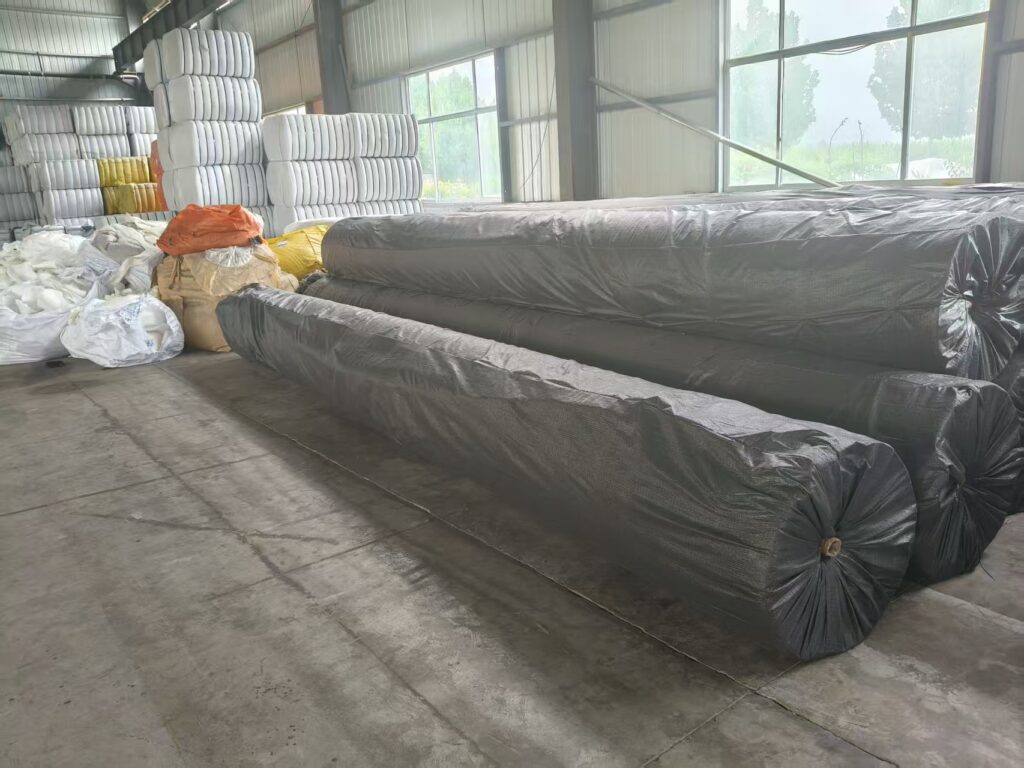
Mass per unit area (gsm, grams per square meter) serves as the core indicator for commonly used engineering grades. Mainstream weights range from 100gsm to 800gsm, among which 200gsm and 300gsm are popular standard grades for municipal and water conservancy works. Standard roll width is 3m–6m, and roll length ranges from 50m to 300m. Custom cutting and sizing are available upon request. Product specifications comply with national and industrial standards including GB/T 17638 and GB/T 17639.
6. Selection Criteria for Non-Woven Geotextile
- Landscaping and small-scale drainage works: Lightweight 100gsm–150gsm non-woven geotextile to meet basic separation and drainage needs.
- Municipal roads and general slope protection works: 200gsm–300gsm standard grade recommended, balancing strength, water permeability and cost.
- Large-scale water conservancy projects, landfills and key infrastructure: Heavy-duty grades above 400gsm for improved puncture resistance, anti-aging performance and protection.
FAQ
1、Is non-woven geotextile permeable?
Yes, it features excellent water permeability. With a porous fiber structure, its primary function is water drainage and filtration. It quickly drains accumulated groundwater while trapping sediment. As a key material for permeable and anti-seepage works, it is fully suitable for water conservancy and subgrade drainage applications.
2、What is the service life of non-woven geotextile?
Service life varies with site conditions. When buried and covered by soil, it can last more than 20 years. For exposed slope protection and conventional water conservancy applications, its normal service life ranges from 10 to 15 years. Proper protection can further extend its lifespan.
3、In what projects is non-woven geotextile not suitable?
It is not recommended for subgrade reinforcement under ultra-high loads, slope protection requiring high tensile strength, and heavy geotechnical stabilization works. Woven geotextile with higher tensile strength should be adopted for such cases to prevent structural deformation and damage.
Conclusion
Manufacturers of non-woven geotextile form a vital part of the geosynthetic supply chain. Understanding its performance, specification parameters and application scenarios helps engineers select suitable materials correctly.